Singapore’s humid climate creates favourable conditions for mould growth throughout the year. Many homes experience moisture-related issues due to trapped humidity, limited airflow and condensation.
Over time, excess moisture may contribute to mould formation on walls, ceilings, wardrobes, fabrics and stored belongings. Besides affecting indoor comfort, mould can also damage materials and create unpleasant odours inside enclosed spaces.
Managing indoor humidity is often one of the most effective ways to reduce mould growth. You may also explore our moisture absorbers and disposable dehumidifiers for practical moisture control options.
Understanding how to prevent mould Singapore households commonly encounter helps improve long-term indoor conditions while reducing moisture-related damage across different environments.
Table of Contents
- Why Mould Problems Are Common in Singapore?
- Managing Moisture Before Mould Develops
- Common Signs of Excess Indoor Humidity
- Areas Most Prone to Mould Growth
- How Dehumidifiers Help Prevent Mould
- Desiccant vs Larger Room Humidity Control Systems
- Practical Ways to Reduce Indoor Humidity
- Reducing Long-Term Mould Risks Indoors
- Final Thoughts
Why Mould Problems Are Common in Singapore?
Singapore’s tropical weather results in consistently high humidity levels, making moisture management an ongoing challenge for many households and businesses.
Several factors contribute to mould growth indoors:
- trapped humidity
- poor ventilation
- enclosed storage spaces
- condensation build-up
- limited airflow
- damp materials
Areas with restricted ventilation often experience higher moisture accumulation, especially during prolonged humid periods.
Because of these conditions, many households rely on humidity control Singapore solutions to maintain more stable indoor environments.
Managing Moisture Before Mould Develops
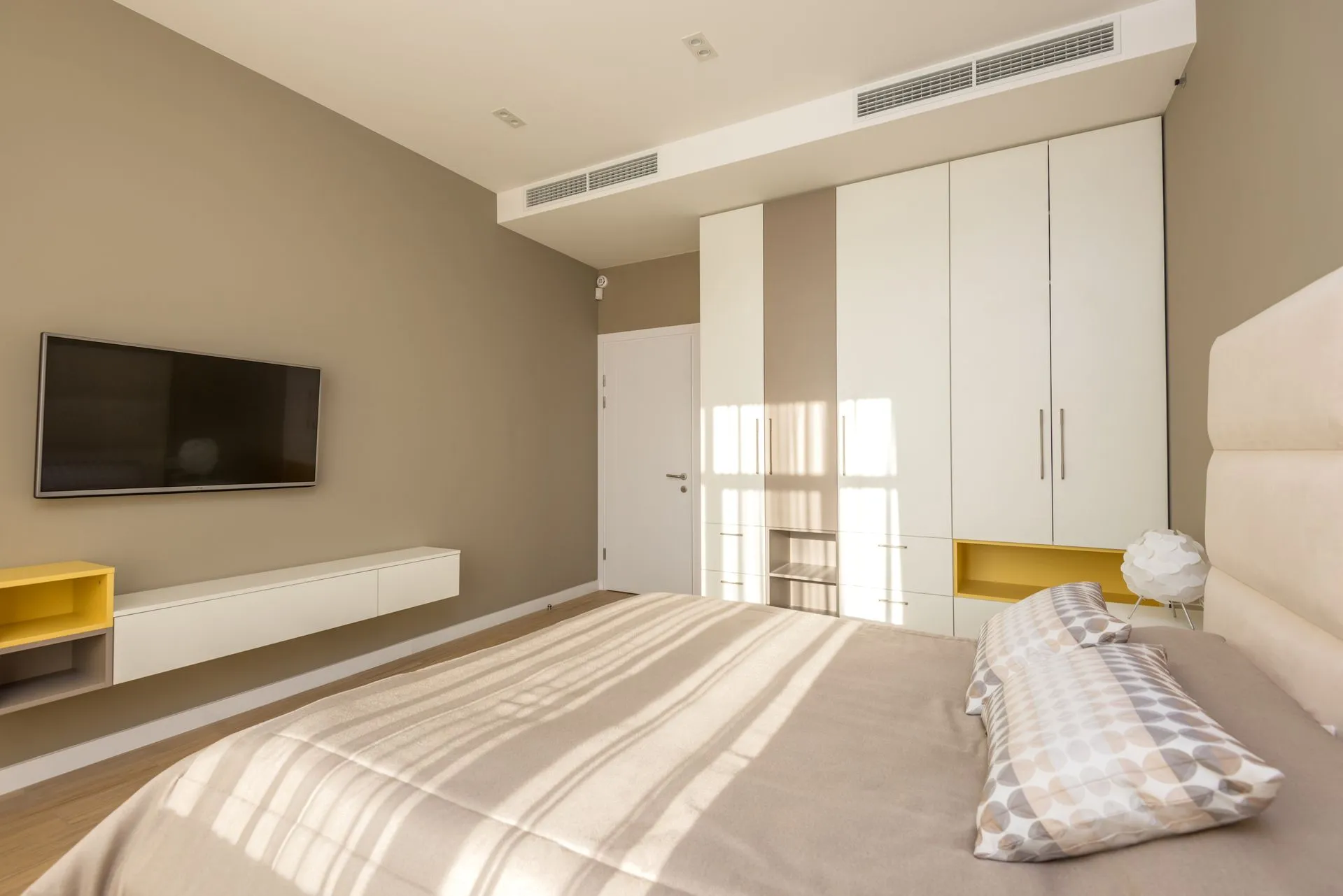
Different indoor environments require different approaches to moisture management. Larger rooms may require broader humidity reduction, while wardrobes and enclosed storage areas often benefit from more targeted moisture absorption solutions.
WholesaleSupplies.sg supports homes and businesses across Singapore with practical humidity control products suitable for both wider indoor spaces and compact enclosed environments. If you are exploring suitable moisture management options, you may browse our dehumidifier in Singapore solutions to compare products designed for different humidity control needs.
For wardrobes and enclosed storage areas, a desiccant dehumidifier may provide more targeted moisture absorption where larger room-wide systems are unnecessary.
Early Warning Signs of Potential Mould Problems
Mould often develops gradually as moisture accumulates indoors. Identifying early warning signs may help prevent more serious mould-related issues from developing over time.
Common indicators include:
Musty Odours
Persistent damp smells may suggest trapped moisture and conditions that support mould growth.
Condensation on Surfaces
Moisture build-up on windows, walls or cabinets often indicates elevated indoor humidity levels.
Damp Fabrics and Materials
Stored clothing, fabrics and paper materials may begin retaining moisture when humidity levels remain consistently high.
Visible Mould Spots
Dark spots or surface discolouration may appear in areas exposed to prolonged moisture and limited airflow.
Areas Most Prone to Mould Growth
Some environments are naturally more vulnerable to trapped humidity than others.
Wardrobes and Cabinets
Wardrobes commonly trap moisture because of:
- limited airflow
- enclosed storage conditions
- fabric storage
This is why many households explore wardrobe dehumidifier Singapore solutions to improve enclosed storage conditions.
Bathrooms
Bathrooms frequently experience:
- steam accumulation
- condensation
- prolonged moisture exposure
Poor ventilation may worsen mould formation over time.
Walls and Corners
Mould frequently develops behind furniture, along exterior walls and in corners where airflow is limited.
These areas may remain damp for extended periods without obvious warning signs.
Window Areas
Condensation around windows may contribute to recurring moisture accumulation, particularly during humid weather conditions.
Enclosed Storage Areas
Enclosed storage areas containing:
- fabrics
- electronics
- paper documents
- collectibles
may also experience elevated moisture levels.
How Dehumidifiers Help Prevent Mould
Humidity control plays an important role in reducing conditions that contribute to mould growth.
By lowering excess moisture levels, dehumidifiers help:
- reduce condensation
- minimise damp conditions
- improve airflow conditions
- stabilise indoor humidity
If you would like a deeper explanation of how moisture removal systems operate, you may also explore our guide on how dehumidifiers work.
Different environments may require different humidity management approaches depending on:
- room size
- airflow
- storage conditions
- operational requirements
Desiccant vs Larger Room Humidity Control Systems
Not all humidity control solutions are designed for the same environment.
Larger room-wide systems are commonly used for:
- poorly ventilated rooms
- offices
- wider indoor areas
Meanwhile, enclosed environments such as wardrobes and cabinets often benefit from more targeted moisture absorption approaches.
If you are comparing different humidity control systems, you may also explore our guide on refrigerant vs desiccant dehumidifier systems to better understand which approach is more suitable for different indoor environments.
Practical Ways to Reduce Indoor Humidity
Besides using humidity control products, several habits may help reduce moisture accumulation indoors.
Improve Airflow
Opening windows or improving ventilation may help reduce trapped humidity.
Avoid Trapping Damp Materials
Wet towels, damp fabrics and poorly ventilated laundry areas may increase indoor moisture levels.
Reduce Moisture Build-Up in Wardrobes
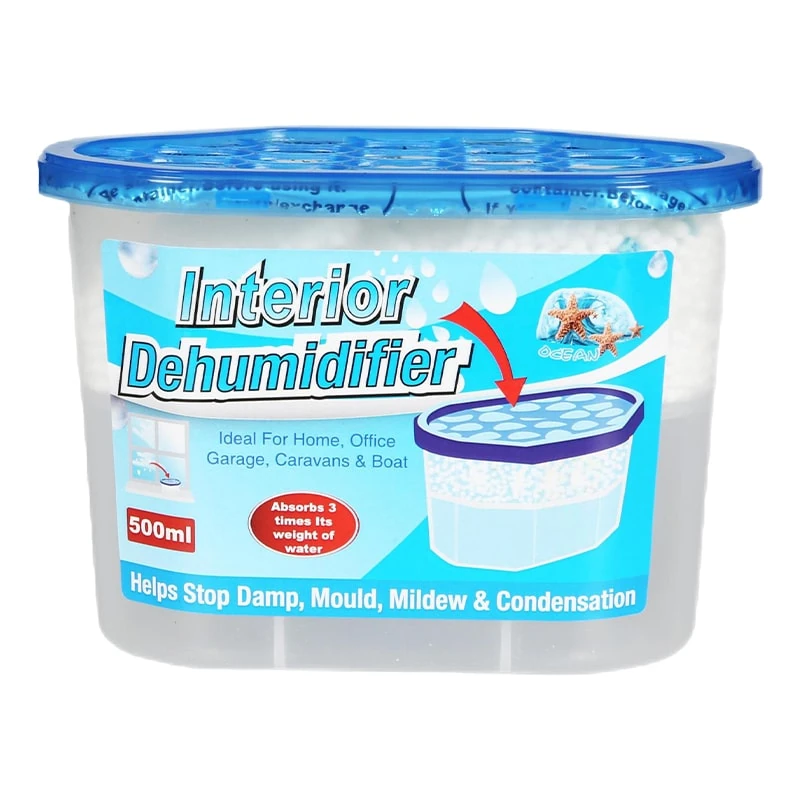
Wardrobes and enclosed cabinets may benefit from targeted moisture absorbers designed for compact environments.
For enclosed storage spaces, a moisture absorber for wardrobes may help provide more focused humidity control.
Monitor Humidity-Prone Areas
Regularly checking:
- wardrobes
- bathrooms
- storage spaces
- corners with limited airflow
may help identify humidity problems earlier.
Reducing Long-Term Mould Risks Indoors

Maintaining proper indoor humidity levels helps reduce mould formation while protecting materials and improving overall indoor comfort.
At WholesaleSupplies.sg, we provide practical humidity control solutions suitable for wardrobes, storage spaces and wider indoor environments across Singapore.
If you are exploring suitable moisture management options for your home or workplace, you may browse our moisture absorbers to compare products designed for different operational and household environments.
For enclosed storage areas such as wardrobes and cabinets, a aromatic moisture absorbers may help provide more targeted moisture absorption where broader room-wide systems are unnecessary.
Selecting suitable humidity control products helps support more stable indoor environments while reducing long-term moisture-related issues.
Final Thoughts
Preventing mould in Singapore homes often starts with managing excess indoor humidity more effectively. Enclosed spaces, poor ventilation and prolonged moisture exposure may gradually contribute to mould growth and damp indoor conditions over time.
Maintaining more stable humidity levels helps reduce condensation, mould formation and moisture-related material damage while improving overall indoor comfort.
If you are unsure which humidity control solution is most suitable for your home, wardrobe or storage environment, feel free to WhatsApp us for personalised recommendations and a no-obligation consultation.